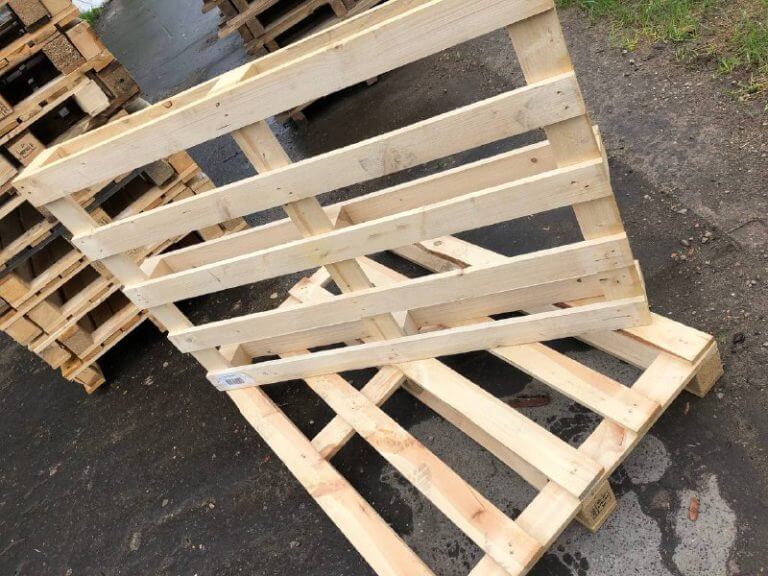
The Often Unknown Benefits Of Pallets For Sale
Pallets for Sale: A Comprehensive Guide for Businesses and DIY Enthusiasts
In today's busy marketplace, pallets are more than just platforms for shipping products; they have evolved into flexible tools accepted by services and DIY enthusiasts alike. Whether you're in logistics, seeking to improve storage solutions, or seeking an innovative outlet for DIY projects, comprehending the numerous options offered for pallets is essential. This article aims to notify readers about the kinds of pallets offered for sale, their usages, advantages, and pertinent FAQs.
Table of Contents
- Kinds of Pallets
- 1.1 Wooden Pallets
- 1.2 Plastic Pallets
- 1.3 Metal Pallets
- 1.4 Composite Pallets
- Advantages of Buying Pallets
- Secret Considerations When Purchasing Pallets
- Pallet Prices: What to Expect
- Frequently Asked Questions
- * *
1. Types of Pallets
When considering pallets for sale, it's vital to comprehend the different types available in the market. Each type has its special advantages and is suited for specific applications.
1.1 Wooden Pallets
Wooden pallets are amongst the most typically used types. agronytradingllc.com are resilient and simple to repair, making them a popular choice for transferring heavy products.
Pros
Cons
Cost-effective
Weigh more than plastic
Quickly fixed
Can harbor bugs
High weight capability
Can splinter
Naturally degradable
Not as sanitary as plastic
1.2 Plastic Pallets
Plastic pallets are known for their resilience and resistance to moisture, chemicals, and bugs. They are ideal for industries where hygiene is important, such as food and pharmaceuticals.
Pros
Cons
Light-weight
Greater upfront expense
Easy to clean up
Minimal weight capability
Chemical resistant
May require unique handling
Long life expectancy
Risk of slipping
1.3 Metal Pallets
Metal pallets, often made from aluminum or steel, are robust and highly durable. They are usually used in heavy industries or where high-temperature resistance is needed.
Pros
Cons
Exceptionally resilient
Much heavier than other options
Fire-resistant
Higher expense
Recyclable
Can corrode if not treated
Ideal for extreme conditions
Minimal accessibility
1.4 Composite Pallets
Composite pallets integrate various products, using a balance in between weight, sturdiness, and cost. They can be made from a mix of wood and plastic or other ingenious products.
Pros
Cons
Lightweight
Efficiency can differ
Flexible design
More expensive than wooden
Great moisture resistance
Not all are recyclable
Long lasting in varied conditions
May require customized handling
- * *
2. Advantages of Buying Pallets
Understanding the advantages of acquiring pallets can help in making notified choices:
- Cost Efficiency: Pallets are often offered at a low price, specifically in bulk, making them an economical option for organizations.
- Versatility: Pallets can be used for various functions— from storage options to gardening platforms.
- Sustainability: Reusable and recyclable pallets add to eco-friendly practices, aligning with corporate sustainability objectives.
Sturdiness: Quality pallets can withstand considerable weight and harsh conditions, ensuring reputable transportation and storage.
- *
3. Secret Considerations When Purchasing Pallets
Before buying, businesses and people need to consider a number of key factors:
- Type of Material: Choose the right material based upon your particular needs (e.g., weight capacity, environmental conditions).
- Load Capacity: Ensure the pallets can support the weight of the products being transported or stored.
- Standard Sizes: Familiarize yourself with standardized pallet sizes, such as 48” x 40” (the most typical in North America).
- Condition: For used pallets, examine their state to prevent prospective threats. New pallets may be more expensive but typically come with guarantees.
Regulatory Compliance: Ensure that the pallets fulfill relevant industry standards (e.g., ISPM 15 for shipping worldwide).
- *
4. Pallet Prices: What to Expect
Prices for pallets can differ considerably based upon product, condition, and size. Here's a rough guide on what to expect:
Pallet Type
New (per unit)
Used (per unit)
Wooden
₤ 15 – ₤ 30
₤ 5 – ₤ 15
Plastic
₤ 20 – ₤ 50
₤ 10 – ₤ 30
Metal
₤ 50 – ₤ 100
₤ 30 – ₤ 70
Composite
₤ 25 – ₤ 60
₤ 15 – ₤ 40
Keep in mind: Prices can change based on market need and geographical location.
- * *
5. Regularly Asked Questions
Q1: Where can I buy pallets for sale?
Pallets can be bought from numerous sources, including local pallet providers, online markets, hardware shops, and auctions.
Q2: Are used pallets safe to utilize?
Yes, used pallets can be safe for usage, provided they are examined for damage, mold, and insects.
Q3: Can I paint or treat wooden pallets for outside use?
Definitely! If you plan to utilize wooden pallets outdoors, it's a good idea to deal with or paint them to boost their sturdiness against the elements.
Q4: How can I deal with damaged pallets?
Damaged pallets can often be recycled. Lots of recycling centers will accept pallets, and some companies actively recycle and resell them.
Q5: What is ISPM 15?
ISPM 15 is an international requirement for regulating wood product packaging materials in international trade to avoid the spread of insects. It's vital for companies shipping products worldwide to guarantee compliance.
- * *
In conclusion, whether you're an organization seeking to optimize your logistics operations or a DIY enthusiast hoping to create something unique, the best pallets can meet your requirements successfully. With numerous types offered for sale and considerations to bear in mind, notified choices will cause the very best results. The possible uses are huge, and comprehending these choices is the first action towards making the many of your pallet purchase.